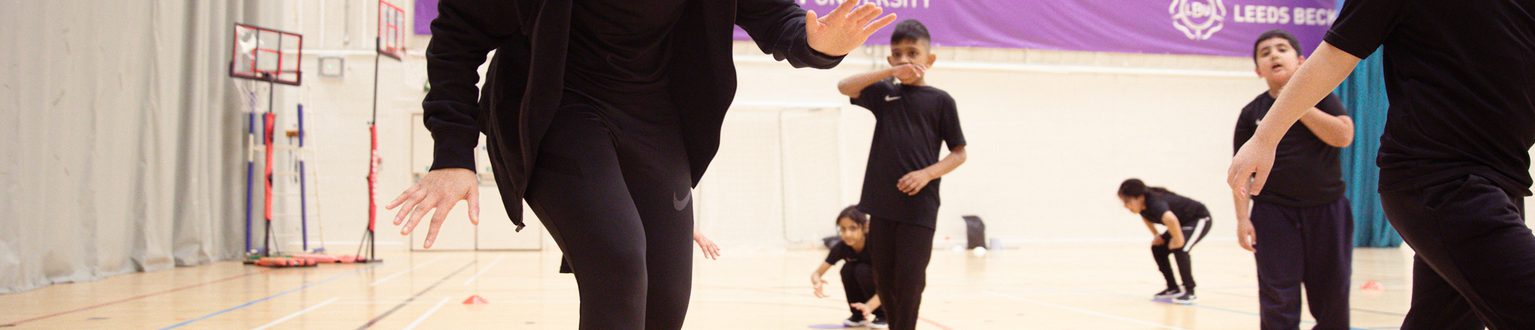
The Role of a Children’s Sports Coach: Building Skills, Confidence, and a Love of Sport
Youth sports play a vital role in a child’s physical, social, and emotional development. However, the success of a young athlete’s experience does not depend only on the sport itself—it depends heavily on the coach guiding them. This article highlights how children’s coaches influence far more than performance. They help shape attitudes toward physical activity, teamwork, and personal growth.
More Than Just Teaching Sport
One of the key messages is that coaching children is fundamentally different from coaching adults or elite athletes. While technical skills and performance improvement are important, youth coaching should prioritise enjoyment, learning, and development. Most children who participate in sport will never become professional athletes. Instead, their experience should inspire a lifelong love of physical activity and healthy living.
A good children’s coach understands that sport is a tool for teaching life skills. Through training sessions, matches, and team interactions, children learn values such as cooperation, respect, discipline, and perseverance. When coaches create a positive and supportive environment, children feel motivated to keep participating in sport.
Creating a Positive Sport Experience
Children join sports programmes for many reasons: to have fun, spend time with friends, learn new skills, or simply stay active. Coaches play a critical role in ensuring these motivations are supported rather than lost. If training becomes overly competitive or stressful, children may lose interest and drop out.
Effective youth coaches therefore focus on building an environment where:
- Participation is encouraged for everyone
- Effort is valued as much as results
- Mistakes are seen as opportunities to learn
- Teamwork and respect are promoted
By focusing on enjoyment and learning rather than just winning, coaches help maintain children’s enthusiasm for sport.
Supporting Development at Every Level
Another important theme to highlight is the holistic development of young athletes. A children’s coach should consider the physical, psychological, and social needs of participants. This means adapting training sessions to match children’s age, abilities, and development stages.
For example, younger children benefit from playful, game-based activities that improve coordination and basic motor skills. As they grow older, training can gradually introduce more complex techniques and tactical understanding. The goal is not simply to develop better athletes, but to support confident, healthy individuals.
The Lasting Impact of Coaching
The influence of a coach can extend far beyond the sports field. Positive coaching experiences can increase self-confidence, encourage teamwork, and teach children how to deal with both success and failure. On the other hand, negative coaching behaviours—such as excessive pressure or criticism—can discourage participation and reduce a child’s enjoyment of sport.
For this reason, youth coaches carry a significant responsibility. They act as mentors, role models, and leaders who shape children’s perceptions of sport and physical activity.
Inspiring Lifelong Participation
Ultimately, the purpose of youth sport coaching is not only to develop skilled players but to inspire lifelong participation in physical activity. By prioritising fun, development, and positive values, coaches can help children build a strong foundation for healthy and active lives.
When coaches focus on encouragement, learning, and enjoyment, they do more than train athletes—they help nurture confident, resilient young people who will carry the benefits of sport throughout their lives.
Watch to find out more:
Watch the video below to find out more about the role of the children's coach.
We encourage all coaches to download and read the below study guide to explore this topic further, including:
Why children join and stay in sport.
Why children drop out of sport.
Childrens' Sport - A Reality Check.
The ICK Pledge
On Being A Coach - What Coaches Really Do


