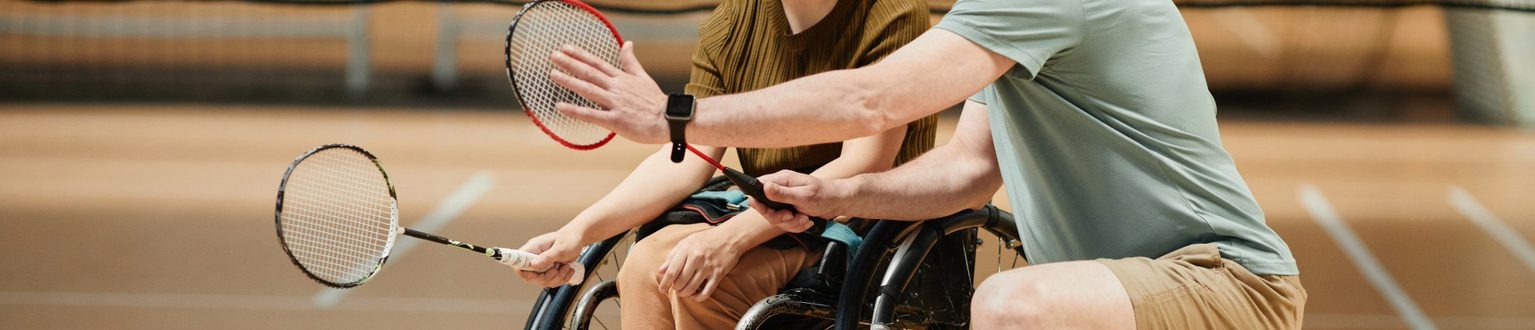
It’s clear - everybody can benefit from being active. Our job in youth sport is to both provide opportunities and encourage involvement. In relation to the participation of young people, the involvement of those with disabilities in sport lags behind the curve of the general population. The ICOACHKIDS Global Movement calls for each child and teenager to ‘develop a love for sport’ (Pledge Principle 5). This includes children and teenagers with disabilities.
In the below presentation, Jon-Paul St. Germain of Special Olympics and Declan O'Leary of Sport Ireland examine the barriers those with disabilities face (personal and in the local environment). They then look at realistic, practical supports that can be used to address the barriers. While everyone can support the inclusion process, the role of the coach can be pivotal in both providing a positive movement experience and in encouraging the development of a sense of belonging in the individual.
The presentation explore the importance of inclusive sport for young people with disabilities and highlights both the barriers they face and the positive impact that participation can bring. Through discussion and examples, the video emphasises how sport can support physical health, confidence, and social development while also addressing the structural and social challenges that often limit access.
The value of sport for young people with disabilities
One of the central themes of the video is the value of sport for young people with disabilities. Participation in physical activity can improve fitness, coordination, and overall wellbeing. Beyond the physical benefits, sport also plays a key role in building self-confidence and independence. Young athletes learn teamwork, communication, and perseverance—skills that extend far beyond the playing field. Sport can also help participants develop a sense of belonging, allowing them to connect with peers and feel part of a supportive community.
Despite these benefits, the video explains that many disabled young people encounter significant barriers to participation. One major challenge is accessibility. Not all sports facilities are designed to accommodate individuals with different physical or sensory needs. Lack of suitable equipment, accessible venues, or adapted programs can make it difficult for young people with disabilities to take part in regular sporting activities.
Another barrier highlighted in the video is limited awareness and training among coaches and organisers. Many coaches may want to support inclusive sport but lack the knowledge or confidence to adapt activities appropriately. Without proper training, coaches may struggle to modify rules, equipment, or environments to ensure everyone can participate safely and meaningfully.
The presentations also touch on social attitudes and misconceptions about disability in sport. Sometimes young people with disabilities are underestimated or excluded because of assumptions about what they can or cannot do. These attitudes can discourage participation and reduce opportunities for individuals who are capable of enjoying and succeeding in sport when given the right support.
However, the presentations focus not only on challenges but also on the growing opportunities for improvement. Inclusive sports programs, disability-specific clubs, and community initiatives are expanding in many regions. These programs aim to create welcoming environments where young people of all abilities can participate and develop their skills.
One of the key strategies discussed is the adaptation of sports activities. By modifying rules, equipment, or playing areas, coaches can make activities accessible to a wider range of participants. For example, using lighter equipment, adjusting the size of the playing space, or changing team structures can ensure that everyone can engage at a suitable level.
The presenters highlight the importance of education and awareness for coaches, teachers, and sports organisations. Training programs can help leaders understand different types of disabilities and learn practical strategies for inclusion. When coaches feel confident in adapting activities, participation rates among disabled young people often increase.
Finally, there is an emphasis on creating inclusive youth sport requires collaboration between schools, clubs, communities, and families. By working together, these groups can remove barriers and ensure that sport is accessible to everyone.
Final Thoughts
While challenges remain, inclusive sport has enormous potential to improve the lives of young people with disabilities. With greater awareness, better resources, and supportive environments, sport can become an opportunity for all young people to participate, develop, and thrive.
Watch the presentation below
Declan O'Leary
Declan has worked in coach education, supporting national governing bodies in implementing the Coaching Development Programme for Ireland and developing coach education awards. More recently he has worked in coach development, focusing on coaches at grassroots and how to systematically support them in their learning. This includes developing learning environments/culture, short learning inputs, reflecting on personal practice, engaging with mentoring and being part of communities of practice. He is the lead for Sport Ireland in disability sport andcoaching people with disabilities. He is a co-founder of ICOACHKIDS.

Jon-Paul St. Germain
In his current role as Vice President of Sport Development for Special Olympics International, Jon-Paul is responsible for overseeing Special Olympics sport development globally. This work includes advancement of Special Olympics coaching framework, the development of partnerships with international sport federations and the global expansion of the inclusive Special Olympics Unified Sports® program. The Special Olympics Unified Sports program brings together people with & without intellectual disabilities as team-mates & competitors on the court —paving the way for social inclusion on and off the field of play.