The ICOACHKIDS Pledge

ICOACHKIDS Pledge


10 mins
Share

The ICOACHKIDS Pledge contains 10 golden principles that will help coaches guarantee that sport is a positive experience for all involved, especially for each and every child.

We would like coaches, sport clubs and organisations all over the world to commit to the pledge, so take a look at the 10 golden principles below:

1

#1 Be Child-Centred

Always have the best interest of children at heart and listen to them. It is about what children want and what they need, not about the adults. Putting children first means prioritising their needs, wellbeing, and enjoyment above adult expectations or the pressure to win. Coaches should consider the physical, emotional, and psychological development of each child when planning sessions and competitions. Decisions should be based on what benefits the child’s growth rather than what improves short-term performance.
Images for Pledge 2 2

#2 Be Holistic

Develop chiildren in your sessions as people first and foremost, not only as athletes. Children gain more from sport than just physical fitness. Coaching should support their overall development, including emotional, psychological, social, and cognitive growth. Through sport, children can learn teamwork, communication, leadership, problem-solving, and resilience. Coaches should create opportunities for learning life skills alongside athletic abilities. Encouraging cooperation, respect, and positive behaviour helps children grow into confident and responsible individuals.
Images for Pledge 3 3

#3 Be Inclusive

Cater for all levels of abilities and motivations. Coaching is far from one-size-fits-all. Get to know the kids you coach and dare to coach them differently. Ensure that every child has the opportunity to participate in sport, regardless of their background, ability level, gender, culture, or personal circumstances. The aim is to create an environment where all children feel welcomed, respected, and valued.
Images for Pledge 4 4

#4 Make it Fun and Safe

Children want to have fun and to learn they need to feel safe. Build positive relationships and enjoyable and caring climates that allow them to thrive and that keep them coming back. Enjoyment is a key reason children participate in sport. Coaches should design sessions that are engaging, varied, and appropriate for the children’s age and ability level. When activities are fun, children are more motivated to learn and participate regularly. A positive environment helps reduce anxiety and pressure while encouraging creativity and enthusiasm. If children enjoy their sporting experiences, they are more likely to stay involved and build a lifelong relationship with physical activity.
Images for Pledge 5 5

#5 Prioritise the love for sport

A very small proportion of kids will become elite athletes, yet all of them have the potential to become healthy and active adults. Creating that fantastic legacy is part of your job. Children’s early experiences in sport should focus on enjoyment, curiosity, and positive feelings, rather than pressure to perform or win. When children genuinely enjoy participating, they are more likely to remain active and involved in sport throughout their lives. By prioritising enjoyment and passion, coaches help children develop a positive emotional connection with physical activity.
Images for Pledge 6 6

#6 Focus on Foundational Skills

Do not be over-concerned with the specific skills of your sport. At a younger age kids need to gain essential motor skills and learn the basics of how to play games using generic tactical principles to give yourself the best chance of success. These skills form the foundation for participation in many sports and physical activities. Coaches should include a variety of activities that help children improve coordination, agility, balance, and body control. Strong movement foundations increase confidence and competence in sport. When children develop these basic skills early, they are more likely to succeed in different sports and remain physically active.
Images for Pledge 7 7

#7 Engage Parents Positively

Parents are not the enemy, but the biggest resource at your disposal. They want the best for their kids and so do you. Partnership is the key word. You will never know what parents can offer if you don’t talk to them. Parents and guardians play an important role in supporting children’s sport experiences. Coaches should communicate openly with families and encourage positive involvement that supports the child’s development. When coaches and parents work together, they create a supportive environment that reinforces positive values such as respect, teamwork, and perseverance.
Images for Pledge 8 8

#8 Plan Progressive Programmes

We are taking kids on a learning journey, so develop short, mid and long-term goals and plans that will help the kids get to the destination. It’s not peak-by-saturday nor improvising a session ‘off the cuff’. Failing to plan is planning to fail. Coaches should design programmes that build skills step by step according to a child’s age, experience, and stage of development. Good planning considers long-term development, not just short-term results. Training loads, session intensity, and competition schedules should be appropriate for children’s physical and psychological maturity.
Images for Pledge 9 9

#9 Use different methods to enhance learning
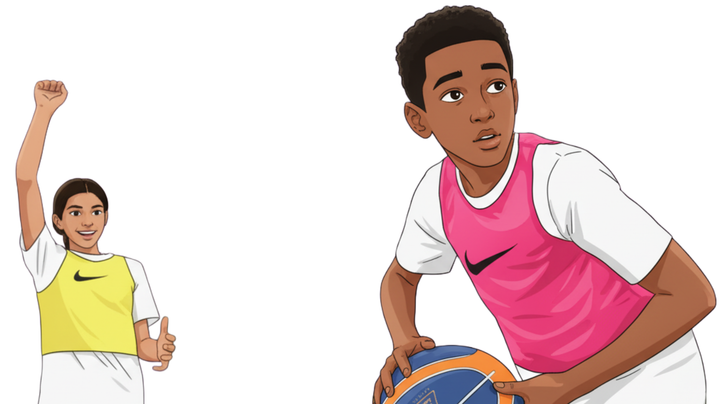
Learning is a complex process and it doesn’t happen overnight. Children learn in different ways, so coaches should use a range of coaching methods to support skill development. Demonstrations, games, problem-solving activities, and guided discovery can all help children understand and practice new skills. Variety keeps sessions engaging and allows children to explore and learn through experience. Encouraging questions and creativity helps develop decision-making and independence.
Images for Pledge 10 10

#10 Use competition in a developmental way

There is nothing wrong with competition. When the format and the atmosphere around competition is built around the developmental stage of the kids and considerate of their needs, competition is an amazing motivator and a lot of fun. Competition can be a valuable learning experience when it is structured appropriately. For children, competition should focus on participation, effort, and learning rather than simply winning. Coaches should create balanced and fair opportunities for all players to take part. Age-appropriate competition helps children develop confidence, teamwork, and resilience while learning how to handle both success and failure. Too much pressure to win can reduce enjoyment and lead to early dropout from sport.

THE ICOACHKIDS PLEDGE

So there you have it... The main ingredient for a coach is understanding that our job is to take children on a journey over time to become whatever they want to be. As coaches working with children we must be very clear that we are their guide on a journey of learning discovery and enjoyment, but the destination is ultimately up to them, so let's not forget that.

For even more on the ICOACHKIDS Pledge, watch the video below...