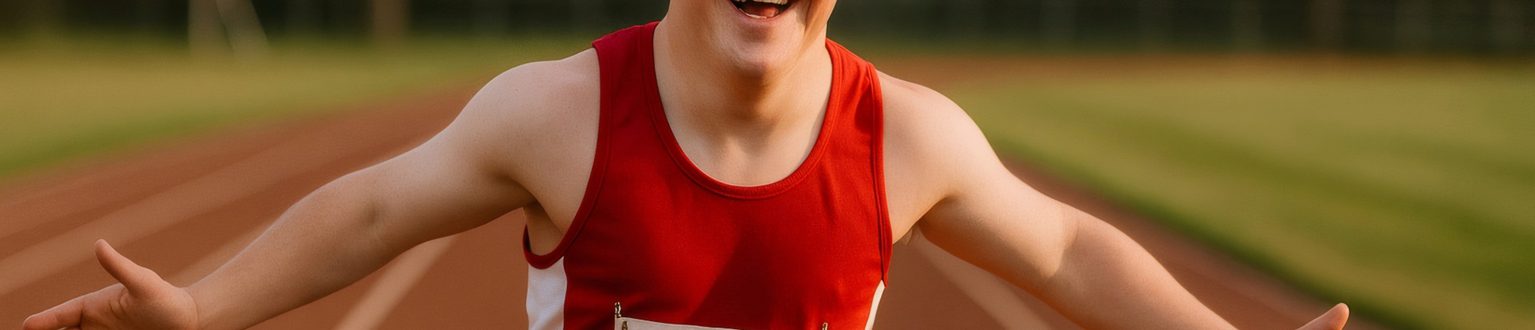
Inclusive coaching is an approach that ensures sport and physical activity are accessible to everyone, regardless of ability, background, or experience. In the video “Inclusive Coaching”, inclusion expert Jennifer Hansen, working with organisations such as Special Olympics, explains how coaches can create welcoming and supportive environments where all participants feel valued and capable of succeeding. The presentation highlights practical strategies and the mindset required to help athletes of all abilities participate meaningfully in sport.
Understanding Inclusive Coaching
Inclusive coaching is based on the belief that sport should be open to everyone. Instead of focusing on limitations, inclusive coaches concentrate on what athletes can do and adapt activities so that everyone can participate. This approach benefits not only individuals with disabilities but also beginners, athletes with different learning styles, and those who may lack confidence or experience.
Jennifer Hansen emphasises that inclusion is about creating opportunities rather than barriers. Coaches play a key role in shaping an environment where athletes feel safe, respected, and motivated. By adjusting coaching methods and being attentive to individual needs, coaches can ensure that all participants have a positive sporting experience.
The Role of the Coach
A central theme of the video is the responsibility coaches have in promoting inclusion. Coaches influence team culture and athlete confidence. Inclusive coaches are patient, flexible, and willing to adapt their approach to suit each participant.
Effective inclusive coaching involves clear communication, encouragement, and positive reinforcement. Coaches are encouraged to use simple instructions, demonstrate activities visually, and check that athletes understand tasks before starting. Creating predictable routines and giving constructive feedback also helps athletes feel more comfortable and supported.
Another important element is recognising individual strengths. Rather than expecting every athlete to perform in the same way, inclusive coaches celebrate different abilities and progress at individual levels.
Practical Strategies for Inclusion
The video also offers practical techniques coaches can use to make sport more inclusive. One key strategy is adapting activities to suit different abilities. This might involve modifying equipment, changing rules, or adjusting the pace of an activity so everyone can participate.
For example, coaches might use larger or lighter balls, reduce the size of the playing area, or allow extra time for tasks. These small changes can make a significant difference in enabling participation.
Creating a supportive social environment is equally important. Encouraging teamwork, cooperation, and respect among athletes helps build a sense of belonging. Inclusive teams focus on participation, enjoyment, and improvement rather than just competition and results.
Benefits of Inclusive Sport
Inclusive coaching benefits both individuals and teams. Athletes gain confidence, develop social skills, and improve their physical abilities. Participation in inclusive sport can also promote empathy and understanding among teammates.
For coaches, embracing inclusion can lead to more rewarding coaching experiences. Seeing athletes grow, overcome challenges, and enjoy sport together highlights the positive impact of inclusive practices.
Conclusion
Inclusive coaching is about ensuring that sport is accessible and enjoyable for everyone. By adapting activities, encouraging teamwork, and focusing on individual strengths, coaches can create environments where all athletes feel valued and capable of success.
Jennifer Hansen’s message is clear: when coaches embrace inclusion, they unlock opportunities for participation, growth, and connection in sport. Inclusive coaching does not just change how sport is delivered—it transforms how athletes experience it.
Jennifer Hansen
Jennifer Hansen is a senior leader at Special Olympics International with over 20 years of experience in disability inclusion. As the Senior Manager of Young Athletes, she focuses on early childhood development, inclusive education, and health programming for children with and without intellectual disabilities. She is a key advocate for expanding the Young Athletes program, including in libraries and through global health models