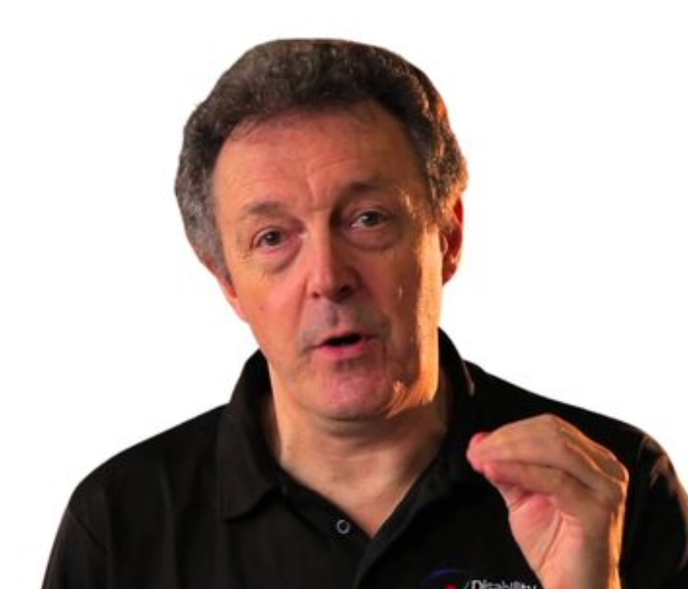
In his impactful presentation, Ken Black—co-founder of The Inclusion Club and a leading voice in inclusive sport—delivers a powerful message: sport should be for everyone. Speaking as part of the ICOACHKIDS initiative, Black draws on over four decades of experience in disability sport and inclusive physical activity to outline what truly inclusive coaching looks like—and why it matters.
Black begins by challenging the traditional view of coaching, which often centers on performance, competition, and uniformity. Instead, he advocates for a person-centered approach that recognizes and celebrates diversity in all its forms—whether physical, intellectual, emotional, or social. For Black, inclusion is not about treating everyone the same, but about ensuring that every child has the opportunity to participate, learn, and thrive in sport.
A key theme of his talk is the importance of adaptability. Inclusive coaching requires flexibility in how activities are delivered, how success is defined, and how environments are structured. Black introduces the TREE model—an accessible framework that helps coaches adapt their sessions by modifying:
- Teaching style (e.g., using visual cues or simplified instructions),
- Rules (e.g., allowing more time or touches),
- Equipment (e.g., using larger or softer balls),
- Environment (e.g., adjusting the size of the playing area).
This model empowers coaches to create meaningful and enjoyable experiences for all participants, regardless of ability.
Black also emphasizes the role of coach education. Many coaches feel unprepared to work with children with disabilities—not due to lack of care, but due to lack of training. He calls for more accessible, practical resources that build confidence and competence in inclusive practice. Through initiatives like ICOACHKIDS* and The Inclusion Club, Black has helped develop tools that support coaches in creating welcoming, supportive environments.
Another powerful message in the presentation is the social value of inclusion. When children of all abilities play and learn together, it fosters empathy, breaks down stereotypes, and builds stronger communities. Inclusive sport is not just beneficial for those with disabilities—it enriches the experience for everyone involved.
Ken Black concludes with a call to action: inclusion must be intentional. It’s not a box to tick or an afterthought—it’s a mindset and a commitment. Coaches, clubs, and organizations must actively work to remove barriers, challenge assumptions, and ensure that every child feels seen, heard, and valued.
You can watch the full presentation below
Ken Black
Ken has worked as a practitioner in the area of inclusive physical activity and disability sport for over 40 years. This has included 10 years working in special education, 2 years for a disability sport organisation (UK Sports Association for People with Learning Disability), 6 years as a disability sports development officer for Leeds City Council sports development team, 6 years as the Inclusive Sport Officer with the Youth Sport Trust (the UK-based national youth sport agency), 3 years as Sports Consultant with the Australian Sports Commission, (working in the Disability Sport Unit), and 2 years setting-up a research and development centre on disability sport at Loughborough University. He works independently as an advisor and consultant (previously in this role from 2008-2013). His most recent position was as inclusion advisor & senior lecturer at University of Worcester (2013-2018). During this time, he chaired the Organising Group which planned and hosted the European Congress of Adapted Physical Activity at the university in July 2018. Ken authored (January-March 2019) some new video and activity resources for both Youth Sport Trust and LimbPower for use on their websites.