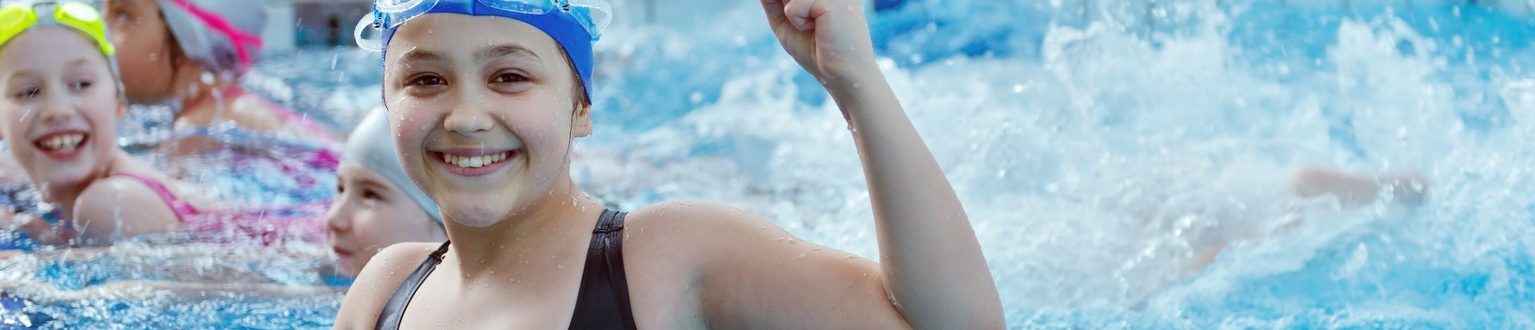
Sport is widely recognised as more than just physical activity—it can be a powerful environment for personal growth and learning. The presentation by Dr. Martin Camiré explores how youth sport can help children develop essential life skills and how coaches play a key role in this process. The discussion focuses on how sport environments can intentionally foster skills that young people carry with them beyond the playing field.
Sport as a Platform for Personal Development
Youth sport provides a unique setting where young people can learn valuable life skills. These skills include goal setting, emotional control, self-confidence, teamwork, leadership, and resilience. Researchers describe life skills as internal personal assets that can be developed through sport and then transferred to other areas of life such as school, work, and relationships.
Participation in sport exposes young athletes to challenges, competition, and teamwork. When guided properly, these experiences teach young people how to manage emotions, work towards goals, and persist in difficult situations. These lessons can contribute to stronger character development and improved decision-making in everyday life.
The Crucial Role of Coaches
Coaches play a central role in shaping the developmental outcomes of youth sport. Simply participating in sport does not automatically lead to positive life skill development. Instead, coaches must intentionally create environments that encourage learning, reflection, and personal growth.
Effective coaches help athletes understand the lessons behind their experiences. For example, a coach might use a challenging training session to teach perseverance, or highlight teamwork after a successful match. By actively connecting sporting experiences to broader life lessons, coaches help athletes recognise how these skills apply outside sport.
Coaches also serve as role models. Young athletes often look up to them for guidance and support. When coaches demonstrate positive behaviours such as respect, discipline, and empathy, athletes are more likely to adopt those same qualities.
Creating the Right Environment
The video emphasises that a positive sporting environment is essential for life skill development. This environment includes supportive relationships, constructive feedback, and opportunities for athletes to take responsibility and make decisions.
Programs that focus on positive youth development encourage athletes to reflect on what they learn through sport. For example, athletes might discuss how teamwork in a game relates to cooperation in school or how perseverance in training can help them overcome academic challenges.
Parents, organisations, and communities also play a role in creating supportive environments. When everyone involved in youth sport values development over winning alone, young athletes are more likely to benefit from meaningful learning experiences.
Transferring Skills Beyond Sport
One of the key challenges highlighted in the video is helping athletes transfer the skills they learn in sport to other areas of life. Coaches can support this process by encouraging reflection and discussion. For example, they might ask athletes how the confidence gained from sport can help them in school presentations or social situations.
When this transfer occurs successfully, the benefits of sport extend far beyond the playing field. Young people become better equipped to manage challenges, build relationships, and pursue personal goals.
Conclusion
Youth sport has tremendous potential to shape young people’s personal and social development. However, the positive impact of sport depends on intentional coaching and supportive environments. By focusing on life skill development alongside athletic performance, coaches can help young athletes gain abilities that will benefit them throughout their lives.
Martin Camiré
Martin Camiré is a professor in the School of Human Kinetics at the University of Ottawa. Through his research, Professor Camiré examines how various aspects of development can be fostered in the context of sport, especially with youth populations. As well, he uses postfoundational approaches to view aspects of the inquiry process through an alternative lens. His teaching interests include ethics, health promotion and (post)qualitative methods.