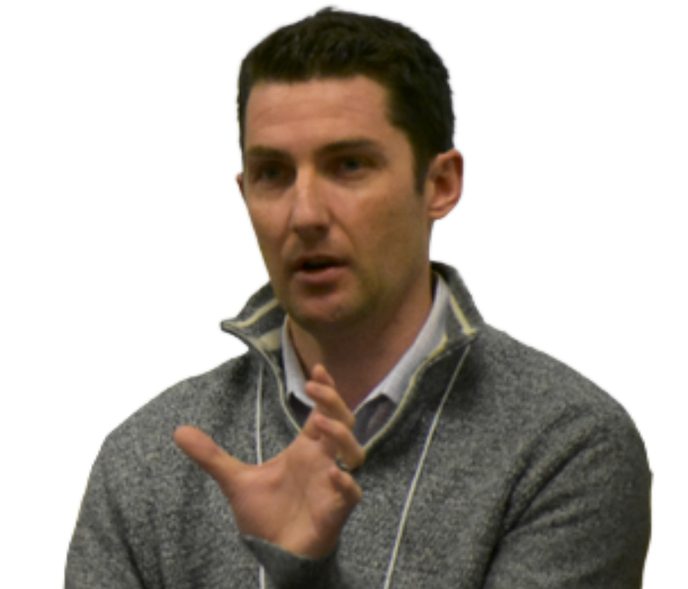
In the Life Skills in Youth Sport presentation, Professor Dan Gould, Dr. Scott Pierce, and Dr. Karl Erickson offer a compelling exploration of how sport can be a powerful vehicle for developing essential life skills in young people. As part of the ICOACHKIDS initiative, their discussion highlights the importance of intentional coaching practices that go beyond physical performance to nurture personal growth, resilience, and well-being.
Professor Dan Gould, Director of the Institute for the Study of Youth Sports at Michigan State University, sets the stage by defining life skills as internal assets—such as goal setting, emotional control, self-esteem, and a strong work ethic—that can be developed through sport and transferred to other areas of life. He emphasizes that sport, when coached with purpose, can foster leadership, motivation, and positive identity formation.
Dr. Scott Pierce, Associate Professor at the University of Illinois, builds on this by discussing the role of coaches in shaping psychosocial development. He stresses that coaches are not just instructors of technique, but mentors who influence how young athletes perceive themselves and interact with others. Pierce advocates for a coaching approach that is relational, reflective, and grounded in empathy.
Dr. Karl Erickson, Assistant Professor at York University, adds a systems-oriented perspective, highlighting how sport environments—teams, clubs, and communities—can be designed to support holistic development. He encourages coaches to think beyond the scoreboard and consider how their practices contribute to long-term learning, mental health, and social connection.
Together, the trio outlines practical strategies for embedding life skills into sport:
- Intentional Design: Coaches should plan sessions that include opportunities for decision-making, teamwork, and self-reflection.
- Positive Reinforcement: Encouraging effort and progress helps build confidence and resilience.
- Safe Environments: Creating spaces where young athletes feel valued and supported is key to fostering emotional growth.
- Role Modeling: Coaches must embody the values they wish to instill—respect, integrity, and perseverance.
The presentation concludes with a powerful message: sport is more than competition—it’s a context for character development. By prioritizing life skills, coaches can help young people become not only better athletes but also better citizens. This session is a must-watch for anyone involved in youth sport. It challenges traditional coaching norms and offers a roadmap for using sport as a tool for lifelong impact.
You can watch the full presentation below
Professor Dan Gould
Dan is director of the Institute for the Study of Youth Sports and a professor of kinesiology at Michigan State University. In 2019, he was named the inaugural Gwendolyn Norrell Professor of Youth Sport and Student-Athlete Well-Being. His area of expertise is mental training for athletic competition and sport psychology. His research interests include the stress-athletic performance relationship, psychological foundations of coaching, athlete motivation, youth leadership and positive youth development through sport. He has been a consultant for the U.S. Olympic Committee, the United States Tennis Association and numerous athletes of all ages and skill levels.

Dr. Karl Erickson
Karl is an Assistant Professor at York University in Canada. Karl's research addresses two primary questions: How does participation in sport and movement contexts contribute to psychosocial development and well-being?; and How can this contribution be optimized toward positive development, learning and growth? He is interested in the integration of performance, health and psychosocial outcomes, and how interpersonal processes in sport, particularly involving coaches and coaching, influence these developmental outcomes for youth. To this end, he strives to ensure his work is interdisciplinary, systems-oriented and community-based.

Dr. Scott Pierce
Scott is an Associate Professor in the School of Kineseology and Recreation at the University of Illinois.His research examines how psychological skills are developed to enhance sport performance, and explores how, why, and under what conditions life skills are developed in sport and transferred to other life domains. His community engaged work focuses on the development and implementation of educational programs to support the development of athletes and coaches