Basketball continues to evolve as one of the world’s most dynamic sports. As the game grows globally, coaches, educators, and sporting organisations are increasingly focused on how young players are developed. The video “The Future of Basketball” brings together experienced coaches and sports researchers to discuss how youth basketball should adapt to support long-term athlete development and create better experiences for young players.
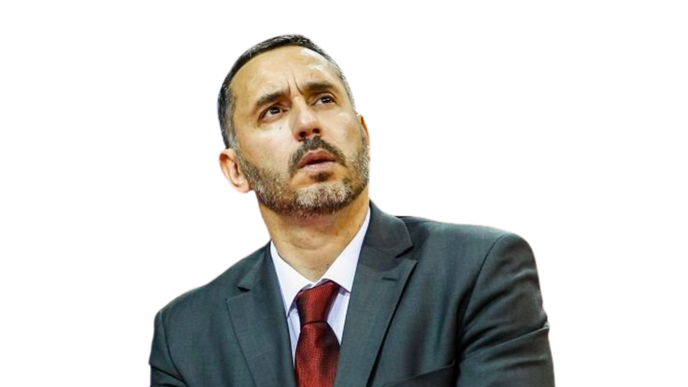
In 2020, We were joined by Jota Cuspinera to discuss the future landscape of basketball for children and young people...
A Shift Toward Long-Term Player Development
One of the key themes highlighted in the discussion is the importance of long-term athlete development rather than early specialisation. Many youth sports programmes traditionally focus on immediate results, winning tournaments, or identifying talent at very young ages. However, the experts emphasise that basketball development should prioritise building fundamental skills, physical literacy, and enjoyment of the game.
When children are encouraged to learn a variety of movements and sports skills early on, they develop better coordination, athletic ability, and confidence. This approach not only supports their performance in basketball but also contributes to healthier, more active lifestyles.
The Role of Coaches in Youth Basketball
Coaches play a critical role in shaping young athletes’ experiences. According to the discussion, youth coaches should act as mentors and educators rather than solely focusing on competition outcomes. Creating a positive learning environment helps young players build resilience, teamwork, and self-belief.
Effective youth coaching also requires an understanding of each child’s developmental stage. Players mature at different rates physically and emotionally, so coaching methods must be flexible. Coaches who adapt their training sessions to suit individual needs can help maximise each athlete’s potential while ensuring the sport remains enjoyable.
Talent Identification and Development
Another major topic explored is how talent is identified in basketball. Traditional talent pathways often prioritise early physical advantages, such as height or strength. However, this approach can overlook late developers who may ultimately become outstanding players.
Experts suggest that talent identification should be a continuous process rather than a one-time selection. By keeping pathways open and allowing more players to develop over time, organisations can avoid losing talented athletes who simply mature later.
Additionally, development programmes should focus on improving decision-making, creativity, and game intelligence. Modern basketball demands players who can read the game, adapt quickly, and collaborate effectively with teammates.
Building a Positive Youth Sport Culture
The future of basketball also depends on creating a supportive culture around youth sport. Parents, coaches, and organisations all influence how children experience competition and training. Encouraging participation, learning, and enjoyment can help reduce pressure and burnout.
A positive sporting environment promotes values such as respect, teamwork, and perseverance. These lessons extend beyond the court and contribute to personal development in education, careers, and everyday life.
Looking Ahead
As basketball continues to expand internationally, the way young players are developed will shape the future of the sport. By prioritising long-term growth, inclusive pathways, and positive coaching practices, organisations can help nurture skilled athletes while ensuring that children maintain a lifelong love of the game.
Ultimately, the future of basketball is not only about producing elite players but also about creating an environment where young people can learn, grow, and thrive through sport.
Watch to find out more:
To hear more from Jota, watch the video below
Jota Cuspinera